 Japan eSIM | DJB
 South Korea eSIM | DJB
 Thailand eSIM | DJB
 Americas eSIM | DJB
 Americas eSIM | DJB
 Philippines eSIM | DJB



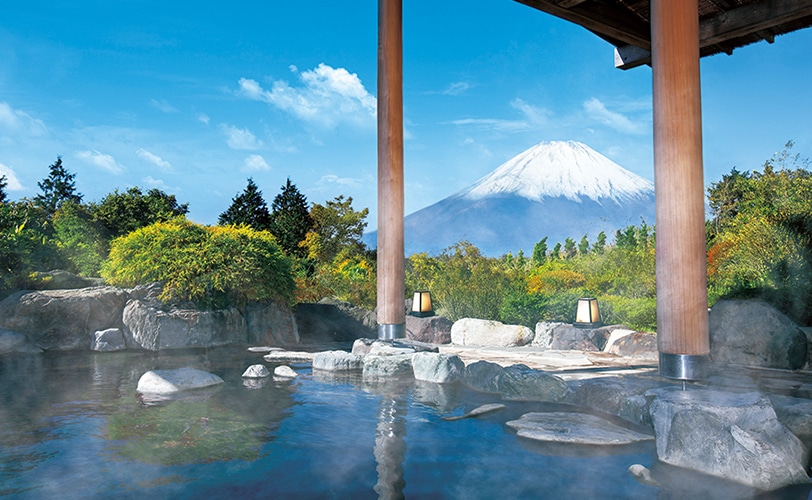

Image source: freepik
Have you ever been to Hakone Onsen? Both Hakone Onsen and Gero Onsen are famous for their alkaline hot spring waters, making them popular choices for experiencing Japanese hot springs. Today, DJB has rounded up 5 recommended winter hot springs in Japan, including each spring's unique character and nearby must-visit attractions, plus a bathing etiquette guide at the end. This winter, come to Japan and let a hot spring soak fully restore your body and mind!
5 must-visit Japanese hot springs for winter 2024
| Hot spring | Location | Highlights | Nearby attractions | How to get there |
| Hakone Onsen | Kanagawa Prefecture | Diverse water types (sulfur, alkaline, etc.) | Owakudani, Hakone | Take the Odakyu Romancecar from Tokyo |
| Kusatsu Onsen | Gunma Prefecture | Highly acidic spring water | Yubatake | Take the JR Joetsu Shinkansen from Tokyo to Takasaki Station, then transfer to the Limited Express Kusatsu |
| Gero Onsen | Gifu Prefecture | Alkaline spring, known as "Beauty Water" | Gero Gassho Village | Take the JR Takayama Line from Nagoya to Gero Station |
| Arima Onsen | Hyogo Prefecture | Japan's oldest hot spring, with dual "Golden Spring" and "Silver Spring" waters | Carbonated Spring Source Park | Take the JR Special Rapid Service from Osaka to Sannomiya, then transfer to an Arima Line bus or ropeway |
| Noboribetsu Onsen | Hokkaido | Sulfur spring | Jigokudani (Hell Valley) | Take the JR line from Sapporo to Noboribetsu Station |
1. Hakone Onsen: the perfect blend of nature and culture
Located in Kanagawa Prefecture, just 1.5 hours from Tokyo, Hakone Onsen is a top pick for a short getaway. Beyond its diverse hot springs, Hakone's biggest draw is soaking in a bath while admiring Mount Fuji! Letting the beauty of nature soothe your tired body and mind.
- Water types: sulfur spring, alkaline spring, and simple thermal spring.
- Nearby attraction: Owakudani, where you can watch volcanic steam while eating black eggs.
- Getting there: from Tokyo, take the Odakyu Romancecar for about 70 minutes to reach Hakone-Yumoto Station, then transfer to a bus or ropeway to reach various hot spring areas.

2. Kusatsu Onsen: Japan's top-ranked hot spring
Located in Gunma Prefecture, Kusatsu Onsen's water comes from volcanic activity, making it extremely hot. The local traditional ritual of "yumomi" (paddle-stirring the water) is used to cool the spring to a more comfortable bathing temperature.
- Water type: highly acidic spring water that can soothe a full day's fatigue.
- Nearby attraction: Yubatake, where you can watch the waterfall-like flow of spring water.
- Getting there: take the JR Joetsu Shinkansen from Tokyo to Takasaki Station, then transfer to the Limited Express Kusatsu — about 3 hours total to reach Kusatsu Onsen.

3. Gero Onsen: a beauty sanctuary known for its "Beauty Water"
Gero Onsen is one of Japan's "Three Great Hot Springs," located in Gifu Prefecture. Its water here is colorless, odorless, and clear, making it a great choice for anyone experiencing a hot spring for the first time.
- Water type: mainly a simple alkaline spring — bathing here is said to leave skin noticeably smoother, earning it the nickname "Beauty Water."
- Nearby attraction: Gero Gassho Village, where you can experience traditional Japanese architecture and culture.
- Getting there: take the JR Takayama Line from Nagoya, about 90 minutes to reach Gero Station, then it's a 5-minute walk from the station to the hot spring district.

4. Arima Onsen: Japan's oldest famous hot spring
Located in Hyogo Prefecture, Arima Onsen has a 1,300-year history, making it one of Japan's oldest hot springs, famous for its "Golden Spring" and "Silver Spring."
- Water types: Golden Spring and Silver Spring.
- Nearby attraction: Carbonated Spring Source Park, where you can try drinkable spring water.
- Getting there: from Osaka, take the JR Special Rapid Service for about 40 minutes to Sannomiya, then transfer to an Arima Line bus or ropeway to reach Arima Onsen.
5. Noboribetsu Onsen: Hokkaido's milky-white hot spring
Located in Hokkaido, Noboribetsu Onsen's especially hot water makes it perfect for a soak during the cold winter, letting your whole body relax completely.
- Water type: milky-white sulfur spring.
- Nearby attraction: Jigokudani (Hell Valley), where you can watch remnants of volcanic activity, with steam and the smell of sulfur rising continuously.
- Getting there: take the JR line from Sapporo to Noboribetsu Station, then transfer to a bus for about 15 minutes to reach the Noboribetsu Onsen area.

Japanese hot spring etiquette: 3 must-know rules
Bathing in a hot spring is a defining part of Japanese culture — while enjoying an onsen here, never forget to follow the local etiquette and customs!
1. Bathe fully nude
Most Japanese hot springs require bathing fully nude, to keep the water clean.
Additionally, traditional Japanese culture tends to associate tattoos with organized crime groups. While there's no explicit rule barring tattooed visitors from public baths, it's worth checking the rules with the establishment beforehand to avoid any issues.
2. Wash your body before entering the bath
Before entering the hot spring pool, thoroughly rinse your body and hair to keep the water clean.
3. Never dip your towel into the bath
Your towel is only for drying yourself — never put it in the bath. Many locals instead place their towel on top of their head or set it on the edge of the pool.
While a hot spring soak is relaxing, avoid staying too long in the hot water. We recommend no more than 15 minutes per soak, and remember to rehydrate regularly. Soaking in a warm hot spring on a cold winter day not only relaxes your body and mind, but also gives you a taste of local Japanese culture. This winter, bring a DJB Japan data SIM and set off on your own hot spring journey through Japan!
Comments are closed for this article.
Comments (0)