 Japan eSIM | DJB
 South Korea eSIM | DJB
 Thailand eSIM | DJB
 Americas eSIM | DJB
 Americas eSIM | DJB
 Philippines eSIM | DJB



An independent trip to Japan is a top choice for travel lovers, letting you take in Japan's rich culture, cuisine, and natural scenery. If you're feeling overwhelmed planning a great independent trip to Japan, this DJB guide combines practical tips and reference resources to help you every step of the way.
1. Choose your destination: exploring Japan's 10 major regions
Japan is vast, split into 10 major regions: Hokkaido, Tohoku, Kanto, Hokuriku, Chubu, Kansai, Chugoku, Shikoku, Kyushu, and Okinawa. Each region has its own distinctive attractions and scenery — here are our top picks for first-time independent travelers:
- Kanto (Tokyo and surrounding areas): ideal for first-time independent travelers. Tokyo boasts lively spots like Sensoji Temple, Ueno Park, Shinjuku, and Harajuku, all with convenient transport links.
- Kansai (Osaka, Kyoto, Nara): full of classic charm — visit Kyoto's Kiyomizu-dera Temple and Fushimi Inari Shrine, plus Osaka's Dotonbori and Universal Studios Japan.
- Hokkaido: the top pick for winter skiing and summer flower fields — Sapporo, Otaru, and Hakodate are well worth an in-depth exploration.
- Okinawa: a tropical island paradise — try visiting Shuri Castle, snorkeling around the outer islands, and the Okinawa Churaumi Aquarium.
Tip: for a short 3-5 day trip, focus on exploring a single region in depth; for 7-10 days, you can cover multiple cities and experience more diverse local flavors.

2. Planning your itinerary: pacing and route
Use Google Maps to plan your route: mark the attractions, restaurants, and shopping spots you want to visit on the map, which helps visualize your itinerary. Here's a simple example:
- Day 1: arrive in Tokyo, explore Sensoji Temple and Tokyo Skytree, experiencing the blend of classic and modern.
- Day 2: head to Shinjuku and Harajuku, sample local food and explore the latest trends.
- Day 3: take the Shinkansen to Kyoto, visiting Kiyomizu-dera Temple, Ninenzaka, and Sannenzaka.
- Day 4: stroll through the Arashiyama bamboo grove, ride the sightseeing train for the surrounding scenery, and visit Fushimi Inari Shrine.
- Day 5: move on to Osaka, explore Osaka Castle Park and Dotonbori, then enjoy a yakiniku feast at night.
- Day 6: spend the day at Universal Studios Japan, riding movie-themed attractions.
- Day 7: return to Tokyo, browse Ginza and Shibuya, and wrap up a wonderful trip.
Worried poor internet might disrupt your itinerary planning? DJB's Daijobu Unlimited Plus solves your connectivity needs for an independent trip to Japan!
3. Getting around: how to travel efficiently
Japan's transport network is highly developed, but it can feel overly complex for first-time visitors. Here's a detailed breakdown of the main transport options, so you can easily master how to get around:
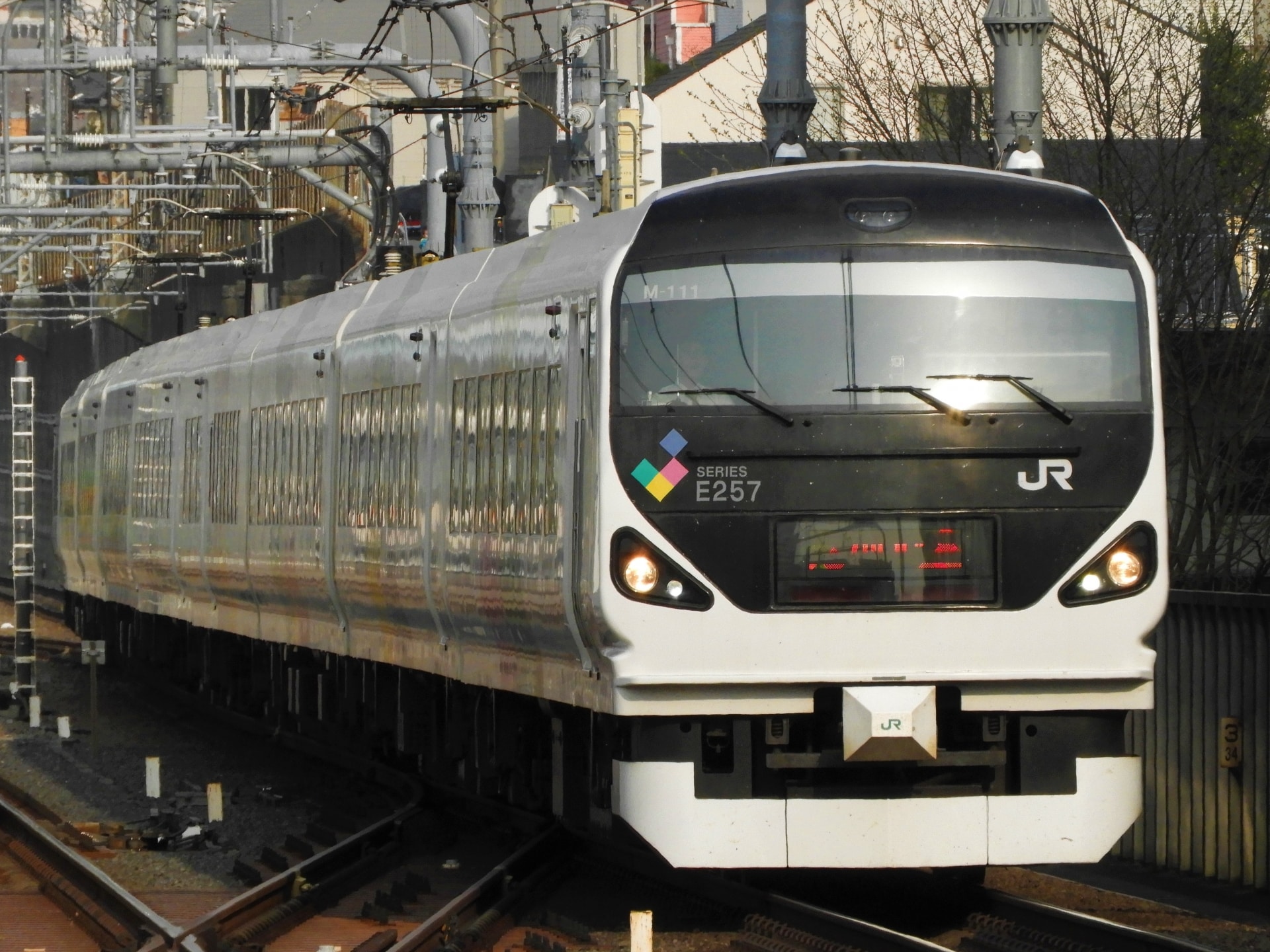
- Shinkansen
- The top choice for long-distance travel — fast, comfortable, and always on time.
- We recommend buying a JR Pass, especially useful for travelers planning to visit multiple cities. The JR Pass offers unlimited rides on most Shinkansen lines, effectively saving on costs.
- Tip: reserve your seat ahead of time before boarding the Shinkansen, to avoid finding no seats available during peak hours.
- Subway and buses
- The best option for getting around within a city, especially in major cities like Tokyo and Osaka.
- The subway network is dense and efficient — we recommend buying a subway day pass if your itinerary involves frequent rides in a single day.
- Buses are useful for reaching more remote attractions or spots the subway doesn't directly serve, such as Kinkaku-ji or Arashiyama within Kyoto.
- Tip: download a transit app (like Google Maps) to check routes and schedules in real time.
- Rental car
- In places like Hokkaido and Okinawa, renting a car is the best way to explore locally.
- Note: Japan drives on the left, and drivers need an international driving permit. Also, some mountainous areas and tourist spots require confirming parking availability in advance.
- Tip: book your rental car early, and choose a model with built-in GPS navigation to reduce the chance of getting lost.
- Walking and cycling
- Walking and renting a bicycle are great ways to soak up the local atmosphere in depth, especially in cities like Kyoto and Nara.
- Kyoto has multiple bike rental points around the city, with flat terrain great for a leisurely ride.
- Tip: wear comfortable shoes while walking, and carry a water bottle to keep your energy up.
Tip: choose the transport option best suited to your itinerary's distance and timing, to minimize wasted time and improve your overall travel experience.

4. Choosing accommodation: prioritize location and convenience
When finding accommodation in Japan, consider these 3 main factors:
- Price: Japan offers a wide range of accommodation, from budget capsule hotels to luxurious five-star hotels. For travelers on a tight budget, hostels or capsule hotels are usually affordable and convenient. If you'd prefer more privacy, a mid-range hotel is an ideal choice.
- Location: where you stay directly affects how convenient your trip is. We recommend choosing a hotel near major transport hubs or popular attractions, which can save a significant amount of commuting time.
- Convenience: beyond price and location, convenience is another important factor. Check whether the hotel offers free breakfast, luggage storage, or is near convenience stores and restaurants. Many accommodations in Japan also offer free Wi-Fi and 24-hour front desk service, which is very convenient.
A friendly reminder: cancellation policies vary between hotels in Japan, so be sure to check the free cancellation deadline before booking, to avoid losses if your plans change last minute.
5. Budget-saving tips
- Book flights and accommodation early: planning ahead and booking during off-peak season can effectively cut costs. This is especially true for flights — booking around six months in advance usually gets you better prices.
- Take advantage of transit passes: buying transit passes like a JR Pass or subway day pass is a smart move for travelers riding frequently. Some cities, like Kyoto, also offer a "subway + bus day pass," letting you easily visit major attractions.
- Choose affordable food: Japanese convenience stores offer high-quality bento boxes and snacks at affordable, convenient prices. You can also dine at local chain ramen shops or conveyor belt sushi restaurants — both budget-friendly and full of local flavor.
- Shopping tax refunds: spending over a certain amount in Japan (usually ¥5,000 or more) qualifies you for a tax refund. Remember to bring your passport while shopping, and process the refund at a designated counter to reduce your overall spending.

Image source: photo-ac
6. Things to note: etiquette and safety
- Entry documents: remember to fill out the "Disembarkation Card" and "Customs Declaration Form" in advance, saving time at immigration. These forms are usually handed out by flight attendants on the plane.
- Public etiquette: Japan places great emphasis on politeness and order in public spaces. For example, stay quiet on trains and avoid loud conversations or playing music out loud from your phone. On escalators, Tokyo custom is to stand on the left, while Osaka custom is to stand on the right — be sure to follow local norms.
- Emergency contacts: keep emergency contact information on hand, such as your hotel address, the local police station, or emergency numbers (Japan's emergency and fire hotline is 119). Also, convenience store staff can usually offer help in unexpected situations.
- Safety and security: Japan is generally a very safe country, but female travelers going out alone at night should still stay alert, especially in busy areas like Shinjuku's Kabukicho — traveling with a companion is recommended.
The charm of an independent trip to Japan awaits
An independent trip to Japan is a journey full of surprises and memories — with careful planning and smart choices around transport and accommodation, you'll be able to fully enjoy everything this country has to offer. For the best internet experience while visiting Japan, be sure to use DJB's Daijobu Unlimited Plus, making your trip even more wonderful and seamless!
References:
1. What are Japan's must-visit attractions? A rundown of city sightseeing, transport, costs, and entry info!
https://blog.curatorstravel.com/popular-tourist-areas/japan
2. Recommended destinations and itinerary planning for a first trip to Japan — where's best for independent travel in Japan?
https://www.bring-you.info/zh-tw/japan-travel-guide
3. The complete beginner's guide to travel in Japan! Flights, accommodation, transport, and itinerary planning all in one place
Comments are closed for this article.
Comments (0)